Michael Craig Charles Drew Transition Center

Growing Opportunity: How the Drew Horticulture Program Is Cultivating Skills, Confidence—and Fresh Produce—in Detroit

At the Charles R. Drew Transition Center in Detroit, horticulture is more than a class—it’s a pathway to independence, employment skills, and community impact. Under the leadership of horticulture instructor Michael Craig, the Drew Horticulture Program has grown into one of the nation’s largest school-based Farm-to-School horticulture programs, combining hydroponic and traditional growing systems to produce thousands of pounds of fresh food each year. Students with a wide range of disabilities participate in every step of the process—from seeding and cultivation to harvesting and sales—supplying produce to school cafeterias, local markets, and even Detroit’s fine-dining restaurants. In this Q&A, Michael shares how controlled environment agriculture is creating meaningful opportunities for students while demonstrating how inclusive agricultural programs can thrive.

For readers who may not be familiar with the Charles R. Drew Transition Center, can you describe the mission of the school and how the Drew Horticulture Program fits into its broader goal of preparing students for independent living and employment?

 Charles Drew Transition CenterIt is the mission of the Drew Horticulture Program for all students to have access to materials and programs to learn, develop and participate in obtaining the skills of Horticulture through planting, management, consumption and sales of vegetables and flowers. Through interactive methods carefully designed around students’ specific disabilities and to allow for maximum involvement and skill development, the Gardens at Drew has become the model for the nation in the methodology and programs developed to educate center-based special education students in the areas of Horticulture Science. As is the mission of our school, the objectives of the Gardens at Drew center around the development of a comprehensive program to allow each student to gain functional independence and/or job readiness skills in the production, consumption and sale of food and food-related products.

For context, the Drew Transition Center provides work skills education in a wide variety of methods, with student growth being the focus. Teachers at Drew run a gamut of specialized programs such as laundry, our school store, the Cozy Café, our Copy Center, Woodworking program, Horticulture and more. These programs are designed to provide an avenue for the acquisition of skills for possible placement in our work-based learning program, then for possible employment and/or functional independence. For example, students in our laundry classes learn to wash and fold clothing and towels, transitioning to a work-based program at Henry Ford Hospital where they wash and fold scrubs. We realize that actual hands-on skill development is the primary method of successful learning for special needs students, and we try to create as many avenues for success as we can.

You’ve built one of the largest school-based Farm-to-School horticulture program in the country. How did the Drew Horticulture Program get started, and how has it evolved into the large-scale operation it is today?

The vision for the Drew Horticulture Program began in the fall of 2012 during a meeting betwen myself, our principal, Robert Avedisian, and Detroit Public Schools Community District’s Executive Director of School Nutrition, Betti Wiggins. During that meeting, they outlined a plan to create a horticulture program connected to Senator Debbie Stabenow’s Healthy, Hunger-Free Kids Act of 2010, which allows federal school food funding to support school garden programs where produce grown by students can be used in the school lunch program. The idea was to grow fresh food on the Drew campus both to support healthier meals—helping address issues such as childhood obesity, early-onset diabetes, and hypertension—and to create a hands-on vocational program for Drew students. As a transition center serving young adults ages 18–26 with disabilities, Drew focuses on developing skills that support independence, job readiness, and potential employment.  With my background of involving students throughout my career in community service activities and innovative programming, Mr. Avedisian and Ms. Wiggins wanted me to start and run this highly innovative program.

 Charles Drew Transition CenterDetroit Public Schools Community District’s Drew Horticulture Program is a two-acre farm that produces food for school cafeterias and offers programming for school field trips and other community events. Drew Farm, a production-focused farm operating on the grounds of the Charles R. Drew Transition Center, has grown from one hoophouse to the current seven plus 1.5 acres of outdoor growing space. It is one of the largest Farm-to-School programs in the country. For more than a decade, the students at Drew have been working with in-ground, hydroponic, and aquaponic growing techniques, with the indoor hydroponic operation producing between 2000-3000 heads of leafy greens per month year-round.

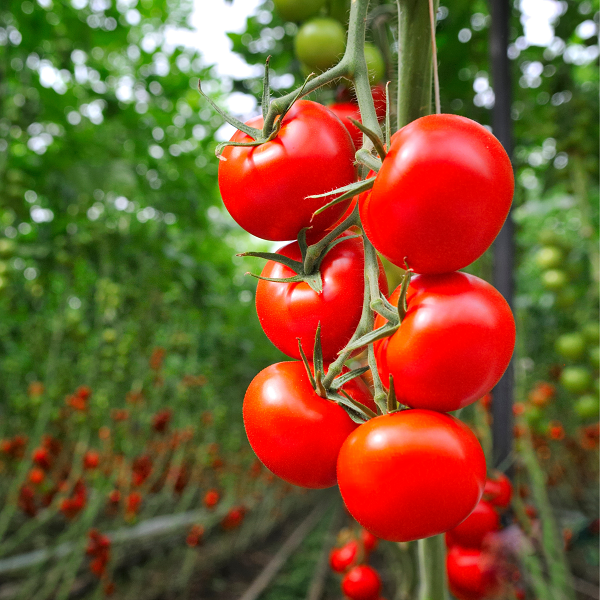
The Drew Horticulture Program was conceived as a program where food would be grown on Drew’s almost 3-acre campus to combat childhood obesity, hypertension, and early-onset diabetes through the school lunch program, while at the same time providing much-needed vocational horticulture skills for special-needs students. The Charles R. Drew Transition Center is a postsecondary program for young people with disabilities to access speech, physical, and occupational therapy while learning vocational and daily living skills that may lead to employment and full inclusion into community life. Students in the Drew Horticulture Program assist with harvesting tomatoes and more, clearing the fields, weeding, and other tasks, while also learning how to process and clean vegetables for their school lunch program. The other component of the program consists of the production of both in-ground and hydroponic food products for two high-end Detroit restaurants, Chartreuse and Freya and the Detroit Salsa Company. It also sells produce at Eastern Market, at the stall operated by partner Keep Growing Detroit. All proceeds from the sale of produce return to the program to provide sustainability and viability as the program expands.

The Drew Horticulture Program has become the model for the nation in methodology and programs developed to educate center-based special education students in the areas of horticulture science. The objectives of the program center on helping each student gain functional independence and/or job readiness skills in the production, consumption, and sales of food and food-related products. Drew students, due to their cognitive deficits, do not qualify for standard employment opportunities. The program enables students to work daily to master vocational skills, progress further through an extended school year program, then progress to work-study placements in the community. Student response to their involvement has been amazing, showing their appreciation for the ability to work in the program with increased attendance rates and strong work ethic. Students also are aware that they may end up with an opportunity for a work-based learning position or an employment offer, so the incentive to perform daily is there.

Your program integrates hydroponic and controlled environment agriculture systems—including NFT and Dutch Bucket systems—to grow leafy greens, tomatoes, and peppers year-round. How do students participate in the production process, and what technical and workplace skills do they gain through this hands-on experience?

 Charles Drew Transition CenterIn the daily experience that is the Charles Drew Transition Center, students transition much like a normal high school, with seven hours in the day with each hour dedicated to different work skills programs or functional skill acquisition. All Drew students come with differing disabilities from cognitive deficits, hearing deficits or physical limitations. Knowing this, differentiated instruction happens daily in every class period, with vocational horticulture skills being adapted to students’ ability to accomplish them. For example, I have a class where the level of functionality is extremely low, but they are really good at rote production tasks. They will have the responsibility to place plugs into cell packs, pull weeds, or spread compost or mulch. Other classes can place plants into hydroponic systems, harvest hydroponic plants for processing or pick peppers or tomatoes from the plants. Still more, like my class of Hearing-Impaired students, can do these tasks and more independently. It’s very rewarding for me to be able to watch and only assist as they work together to harvest an entire table, cut the produce, place it tenderly into produce bags then boxes, and transfer to the refrigerator to await transport to the restaurant. Most rewarding, especially since we are a year-round indoor/outdoor program, students pick up on the fact that depending on the season, there is always a task to do, with the reward being the harvesting of food products for our clients.

I think what makes the Drew Horticulture Program unique is that all students, no matter the disability, are taught and can witness totality of skills, from seeding, management and harvest of plants to the return of their instructor on Monday with a check showing the proceeds of their efforts. This entrepreneurial aspect helps students realize that they are part of something special, especially when we receive visitors to the program, and they can talk about what we do.

Drew students grow produce not only for the school lunch program but also for local restaurants and community outlets. How has connecting your students’ work to real customers and markets impacted their confidence, job readiness, and sense of purpose?

I think the real change in students’ viewpoints happened the year we transitioned from being primarily a soil-based operation growing food for the school lunch program to introducing hydroponics as our primary form of growing for fine dining Detroit establishments. Yes, we still employ soil-based growing in the production of Roma Tomatoes, Serrano Peppers and Cilantro for the Detroit Salsa Company, utilizing the skills of rototilling ( a student favorite, especially for the girls who prove they can operate machinery), weeding, composting and season extension practices for developing skills, but the introduction of hydroponic growing was the game-changer. To be able to produce leafy green produce good enough for the finest restaurants is a terrific motivator, and one that I constantly stress by insisting on gloving up to handle seeds, plugs and plants, being meticulous in how we do things to “make our Chef happy.”  The fact that our chef has an open invitation to visit Drew—and often comes to speak with our students about how he uses their greens in his cooking—is incredibly motivating. Winning national awards for our programming has also reinforced that our program is recognized for growing food the right way. So, whether we are growing food for our restaurants or donating to local food pantries, students understand that they are a part of the community through their work in helping to feed their neighbors.

You were named the 2025 Teacher of the Year by the Council for Exceptional Children. Looking ahead, what’s next for the Drew Horticulture Program, and what advice would you offer to other schools or organizations interested in using controlled environment agriculture to create meaningful workforce opportunities for students with disabilities?

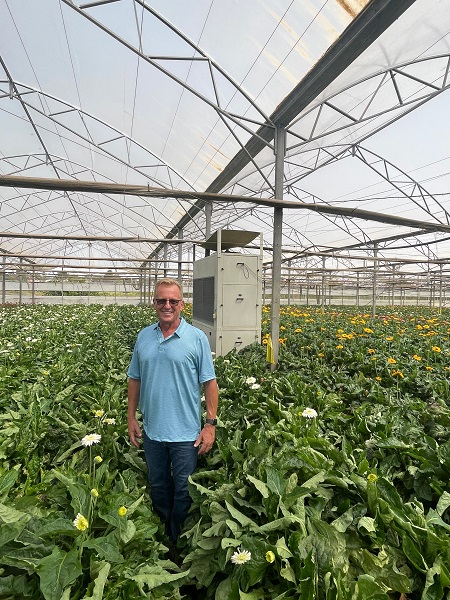
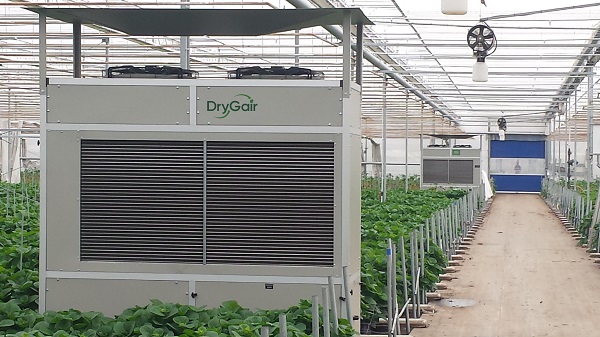
Boy, this is a loaded question. The Drew Horticulture Program is fortunate in that we were the recipients of a grant through the Honda North America Foundation. Through this, we were able to install a heat pump system in one of our high tunnels and convert the high tunnel from a soil-based growing program to totally hydroponic one, allowing for expansion of our offerings to restaurant clients with the thought of adding a fourth client. The expansion includes four new NFT systems to go along with four Dutch Bucket systems for Cilantro and Serrano Peppers. We were also able to transition from standard T5 Fluorescent lights to LED lighting for all our NFT units. We have already noticed the difference in product with the adjustable lighting resulting in perfect outputs. With these new additions, we are as close to commercial operation as a school-based program can get.

 Charles Drew Transition CenterAs a leading Farm-to-School/Table program, I am lucky to be a large part of both the urban agriculture and horticultural education scene in Detroit and other areas of the country through speaking engagements. When talking with educators and others in the field, I always give the advice that the use of controlled environment agriculture is perhaps the best thing I have done, for it allows students – regardless of disabilities – the opportunity to do work in the production of food products. Our wheelchair students can do the work of their able-bodied peers because controlled environment agriculture is the difference-maker. I can shut the machine down when harvesting, remove the channels of produce, and place it at a level where they can reach to experience the delight of an outstanding harvest. This same technique can be applied to the placement of plants into the system. So, when a student who happens to be in a wheelchair due to their disability has the same opportunity as others to demonstrate work skills, the playing field becomes leveled.

For schools or organizations thinking of adding controlled environment agriculture to their programs, I would advise starting small, see how it goes, have a purpose for the future, and go for it!

About the Charles R. Drew Transition Center
To learn more about the Charles R. Drew Transition Center and the innovative horticulture work led by Michael Craig and his students, visit: https://drew.detroitk12.org/

Berry Crops under ProdtectedCover

What’s Next For Berry Crops Grown Under Cover?

By Kristin Zeit for CEAgWorld  

Controlled environment agriculture (CEA) has made significant progress in producing strawberries commercially, but the industry is still trying to work out which berry crops might follow. Researchers and operators say the answer will depend on disciplined crop development, realistic economics, and systems designed around the biological needs of the plant.

That message emerged during a session titled “Beyond Strawberries: What Berry Is Next for CEA?” at Indoor Ag-Con, presented by Olivier Paulus, CEO and founder of Vertiberry; Paul Gauthier, Professor at Penn State University; and Eric Gerbrandt, Chief Science Officer at BeriTech.

Lessons from the CEA Strawberry Boom

Panelists emphasized that the rapid expansion of CEA strawberries over the past decade offers both valuable experience and cautionary lessons. While the crop has proven technically feasible in greenhouses and indoor systems, many early ventures struggled after scaling too soon. Echoing lessons learned across the CEA sector over the past few years, the speakers noted that future berry crops — including raspberries, blueberries, and other high-value varieties — will require a more measured development pathway. Pilot production, data collection, and incremental scaling were all stressed as important steps before committing to large commercial facilities.

Read the full article from CEAgWorld

Harvest Singularity

A Collaborative Path To Successful CEA Projects

From HortiDaily.com — As controlled environment agriculture projects continue to scale and diversify, developers are increasingly recognizing that successful greenhouse facilities are rarely the result of technology decisions made late in the process. Instead, the most resilient and productive operations are built through integrated planning, where specialists from multiple disciplines collaborate from the earliest design stages.

According to Joe Swartz, Senior Vice President at American Hydroponics (AmHydro), the industry is shifting away from a reactive, technology-first approach toward a more coordinated development strategy.

“The greenhouse structure, growing system, climate systems, automation, harvesting, packaging, cold storage, and distribution are not independent choices,” he says. “They’re one continuous flow.”

Moving beyond technology-first design

Over the past few years, the CEA sector has experienced both rapid expansion and significant project setbacks. In many cases, Joe says, difficulties emerged when projects prioritized specific technologies before fully defining the business model or operational requirements.
“The industry has gone through significant challenges over the past two years, and a lot of that was caused by unrealistic expectations and technologies that didn’t provide positive economics.”

He emphasizes that, despite its technological advancements, CEA remains fundamentally an agricultural enterprise.

“Farming is farming; whether it’s outdoors, in a greenhouse, or in an indoor facility,” he says. “The economic rules, the horticultural rules and the market rules all apply equally.”

For this reason, successful projects often begin by defining market demand, crop strategy, operational capacity and financial targets before finalizing technology selections.

Designing systems to work together

A key principle of integrated CEA development is synchronizing technologies across the entire production chain. Rather than selecting systems individually, project teams design the greenhouse structure, hydroponic system, automation, packaging, and logistics infrastructure as a single operational platform.

This collaborative approach was recently applied in the planning of a three-hectare leafy greens greenhouse in Newberry, Florida by Harvest Singularity.

Project CEO Charles Garza engaged multiple technology partners early in the design phase, including American Hydroponics for hydroponic systems and Dalsem Complete Greenhouse Projects for greenhouse design and construction. Additional partners such as JASA Packaging Solutions and TTA-ISO joined to address packaging, automation and post-harvest handling.

By involving these specialists from the outset, the facility’s crop production, harvesting, packaging and distribution processes could be designed simultaneously rather than retrofitted later.


READ FULL STORY FROM HORTIDAILY …

CEA Alliance

CEA Alliance Announces Board of Directors for 2026

The Controlled Environment Agriculture Alliance (CEA Alliance) has announced a new Chairman, Treasurer and Directors elected to serve on its Board of Directors for 2026. Members were announced at the Alliance Annual Meeting, immediately before the 2026 edition of Indoor Ag-Con in Las Vegas.

The new Chairman of the Board is Skip Hulett, Chief Legal Officer, NatureSweet. Since joining NatureSweet in 2018, Skip has played a pivotal role in the company’s rapid growth and has led several major initiatives — including guiding NatureSweet to become the largest CEA company in the world to achieve B Corp certification. A former state district court judge and founder of a successful law firm, Hulett brings deep legal expertise and a passion for sustainable practices. He is a member of the State Bar of Texas as well as the Association of Corporate Counsel.

He replaces Steve Campione, CFO and Executive Vice President of Strategy, Bright Farms, who is concluding his Board service. Steve has served the CEA Alliance through a period of growth, adding grower members in both the leafy greens and vine crop sectors, as well as a number of business partner supplier members.

Matthew Meisel, Chief Development Officer, Little Leaf Farms, will replace Tim Cunniff, Co-Founder & Executive Vice President of Sales for Little Leaf, as Treasurer. Tim has served as Treasurer of the Alliance since its founding in 2019, helping to bring an idea of industry collaboration into reality.

Members of the 2026 Board of Directors include:

Newly Elected Directors:

Abby Prior, Chief Commercial Officer, Cox Farms

Aaron Fields, CEO, Campo Caribe

Viraj Puri, Co-Founder and CEO, Gotham Greens

Dave Stienes, Chairman and CEO, Adept Ag

Directors Continuing Service:

David Einstandig, General Counsel, Mastronardi Produce/Sunset Grown

Kyle Freedman, Global Market Segment Manager, Jiffy Group

Monica Noble, Director – Quality & Safety, 80 Acres

Hema Prado, Sustainability and Policy Director, Plenty

Tim Reusch, National Sales Manager, DRAMM Water

Kathleen Valiasek, Chair and CEO, Local Bounti

“I want to thank Steve Campione for his exceptional commitment to the CEA Alliance as our Chairman, and to our industry overall. I also want to thank Tim Cunniff for his service as Treasurer from the very beginning of the Alliance,” said its Executive Director, Tom Stenzel. “I look forward to working with Skip Hulett as our new Chairman, and all of these industry leaders who are stepping up to serve our membership on the Alliance’s Board of Directors. As companies see the value of our collective efforts, our membership continues to grow among both high-tech greenhouse and indoor vertical farms, their suppliers and business partners, working closely together with their retail and foodservice customers.”

CEA AllianceThe Controlled Environment Agriculture Alliance (CEA Alliance) is a membership trade association representing and serving vertical farms and greenhouse producers growing fruits and vegetables in a highly controlled indoor production environment. Controlled environment growers employ a variety of agricultural production methods and technology to create optimal growing conditions with rigorous environmental controls. Growers utilize innovative technologies such as hydroponics, aeroponics, aquaponics, and soil-based systems to grow a wide variety of fruits and vegetables. For more information, please contact Tom Stenzel, Executive Director, at Tom@CEAAlliance.com.

cybersecurity

A Cybersecurity Checklist for the Indoor Ag Community


In this guest post, Andrew Rose, Advisor with the BIO-ISAC and a speaker at the recent Indoor Ag-Con 2026, shares a practical checklist designed to help growers ask the right cybersecurity questions when evaluating technology vendors—and protect the systems their operations depend on.

Indoor agriculture runs on tech: environmental controls, nutrient dosing systems, sensors, robotics, crop analytics platforms, cloud dashboards, remote monitoring from your phone, etc. Each new device or platform increases productivity, visibility as well as your digital attack surface.

Most growers evaluate vendors based on yield improvement, labor savings, integration, and cost. That makes sense. However, rarely do they think about security and what will happen when their system gets hacked?

A ransomware bricked network can halt climate systems. A compromised sensor network can corrupt data needed for FSMA validation. A breached cloud account can expose proprietary production information or customer contracts. In a financially intensive and time-sensitive environment like indoor agriculture, downtime after an attack can sink the entire operation.

Below is a straight-forward checklist developed for growers in the Indoor Ag-Con community to use when evaluating technology vendors.

Basic Security and Password Protection

  • Does the equipment or software require a password or login?
  • Can I change the default password myself? How?
  • Do you enforce strong password requirements (length and complexity)?
  • Do you support multi-factor authentication (MFA)?
  • Are there any shared passwords between customers or support staff?
  • Default passwords are one of the most common attack vectors in agriculture and manufacturing environments.
  • Shared accounts eliminate
  • MFA dramatically reduces the risk of credential theft leading to system

Data Handling and Ownership

Indoor farms generate valuable operational data: yield rates, environmental parameters, input recipes, proprietary growing methods.

  • What data does this device or platform collect?
  • Where is my data stored (on the device, in the cloud, or both)?
  • Who owns the data; me, your company, or both?
  • Can you share or sell my farm data to third parties?
  • Can I request my data be deleted? How long does that take?

Your operational data is intellectual property. It reflects years of optimization and investment. You should know who controls it, who can access it, and how it is protected.

Network and Device Security

Many indoor farms operate on flat networks. Everything is connected to the same Wi-Fi. That creates risk.

  • Is the device encrypted (both data in transit and at rest)?
  • Does it require its own network, or will it run on my existing Wi-Fi?
  • Can the device operate if the internet goes down?
  • Does it connect to other machines or systems on my farm?
  • Can I limit what it connects to?
  • A compromised sensor should not become a gateway into your entire
  • Segmentation and encryption reduce the blast radius of an
  • Offline functionality protects crops during internet outages or cyber

Updates and Patch Management

Software vulnerabilities are discovered constantly. What matters is how quickly they are fixed.

  • How do you deliver security updates or patches?
  • Are updates automated or manual?
  • How long will you support this product with security updates?
  • What happens if a vulnerability is found? How fast do you respond?
  • Unpatched systems are prime ransomware
  • If a vendor stops issuing updates after two years, your equipment may become a liability long before it reaches end-of-life mechanically.

Incident Response and Liability

  • If your system is breached, how will you notify me and how quickly?
  • Do you have a documented incident response process?
  • Who is liable if your system causes downtime, crop loss, or equipment damage?
  • Do you carry cyber insurance?
  • Do you subcontract any part of your service (cloud hosting, customer support, sensor data processing)?
  • If yes: What security standards do they follow?
  • Many ag-tech companies rely on third-party cloud providers and Your risk extends beyond the logo on the invoice.

You are not just buying equipment—you are inheriting part of their supply chain risk.

Access Control and Vendor Permissions

Remote diagnostics and service are valuable. But they must be controlled.

  • Does your staff have remote access to my equipment?
  • Can I see when and why someone accesses my system?
  • Can I turn off remote access?
  • Are service technicians required to log in with individual accounts (not shared accounts)?
  • Remote access without logging and accountability is a major
  • You should always know who accessed your system, when, and for what

Interoperability and End-of-Life Planning

Technology companies fail. Products are discontinued. Startups pivot.

  • Is the system compatible with other equipment brands, or is it locked in?
  • What happens if the company stops supporting it?
  • If you go out of business, will the device still work?
  • Vendor lock-in combined with poor security support creates long-term operational
  • A device that stops functioning when a cloud subscription ends or when a company closes can disrupt production unexpectedly.

Certifications and Standards

These are basic questions in the cyber security sector, it will demonstrate how serious they take security.

  • Do you follow any recognized cybersecurity standards? (Examples: ISO 27001, NIST Cybersecurity Framework, SOC 2)
  • Have you ever had a third-party cybersecurity audit?

The Short List: For Quick Vendor Conversations

If time is limited, start here:

  • Can I change the default password, and do you support MFA?
  • What data do you collect, and who owns it?
  • Where is the data stored?
  • Is the data encrypted?
  • How often do you update your software or firmware?
  • How quickly do you respond to discovered vulnerabilities?
  • Do you carry cyber insurance?
  • Who is liable if your system is hacked?
  • Can your staff remotely access my equipment or data?
  • If you go out of business, will my device still work?

Cybersecurity is Part of Risk Management

Indoor agriculture is infrastructure. Controlled environment farms support food security, pharmaceutical inputs, seed production, and high-value specialty crops. Our adversaries and ne’er-do-wells won’t need to destroy a facility physically to cause damage. Disrupting digital systems can be enough to cause a FSMA issue.

The goal is to normalize conversations and questions about the potential vulnerabilities in the equipment growers depend on. When operators ask these questions consistently, vendors respond by building more secure products. Over time, the entire ecosystem becomes more resilient.

The BIO-ISAC encourages the Indoor Ag-Con community to treat cybersecurity as part of due diligence, just like electrical load calculations, water quality analysis, and HVAC redundancy planning.

For more information about the BIO-ISAC, visit www.isac.bio

Guest post from Source.ag

Beyond the Next Harvest: Why Sales Teams Need a 4-Week Forecast

In the world of high-tech greenhouse operations, “real-time” is often the buzzword of choice. Cameras and vision systems promise to show you exactly what is coloring on the vine right now. While automating data collection is a step forward for labor efficiency, for a sales manager, knowing what is coloring on the vine today only solves a small part of the puzzle.

For a sales team, a 1-week forecast is too late to make a difference. The real value lies in predicting the medium term, specifically the 3- to 4-week horizon. This window allows sales teams to move product through ads and promotions while still securing favorable pricing. Waiting until the 1-week forecast puts sales teams in a bind, forcing them to accept whatever pricing they can get.

The commercial trap of the 1-week forecast

Many forecasting systems on the market excel at counting visible fruit, providing decent accuracy for the immediate week ahead. These systems, just like humans, are able to accurately identify (slightly) coloring fruits and deduce from this that these fruits will be picked in the coming 14 days. These systems are essentially an evolution of the traditional “row counts”, where growers or workers would count the number of coloring fruits in a fixed number of rows to get an approximation of next week’s harvest.

However, relying on a 1-week horizon forces the sales team to act during the market’s most volatile periods. By the time you are one week out, retailers have already set their programs. If you find yourself with unexpected excess volume at this stage, you are often forced into the open market, the “loss-making, last resort” channel where prices are lowest, and volatility is highest.

The opposite is equally damaging. An unexpected shortfall forces you to buy on the spot market at premium prices to fill contracts, eroding your margins or risking a breakdown in trust with key retailers if you fail to deliver.

To access top-tier retailers with confidence, sales teams need reliable visibility at least 3-4 weeks in advance. This is the window where shelf space is negotiated, promotions are planned, and margins are protected.

Why observation isn’t enough

The limitation of relying solely on visual detection, whether manual or automated, is that you can only manage what you can see. A camera can perfectly identify a coloring tomato that is about to be picked, but it cannot tell you how quickly a flower setting today will turn into a harvestable product next month.

Hence, current visual-based forecasting systems don’t provide the grower with information beyond the 14-day harvest window because the fruits aren’t yet coloring. This is where these systems break down. Any fruits that won’t be harvestable within the next 14 days will still be fully green. And to those systems, all these green fruits look the same.

To predict yields 3 to 8 weeks out and deliver actual value to sales teams, you cannot simply count; you must simulate plant biology.

True long-term forecasting requires deep causal modeling of complex plant biological behaviours rather than just observing its current state. This implies integrating data from climate computers, real-time weather forecasts (including 2-week-out meteorological data and 7-year climate averages), and specific plant measurements.

By calculating fruit development time based on temperature, radiation sum, and sink/source balance, these AI models can predict fruit maturation weeks before a camera could visually confirm the harvest date.

The value of 4-week accuracy

Moving from a reactive 1-week view to a proactive 4-week out view changes how your sales organization operates. Instead of constantly correcting for last week’s surprises, teams can validate their production planning against reliable data.

This approach delivers measurable consistency. Across multiple varieties, AI models achieve 86-88% accuracy at the 4-week horizon, helping growers reduce outliers at this crucial stage from 11.5% to 4.4%.

For many North American partners, leveraging Source enables faster, data-driven decisions. It provides the confidence to react sooner to changing conditions, ensuring that sales commitments align with cultivation reality and empowering teams to steer the crop proactively when needed.

Empowering the sales team

For a sales manager, moving from guesswork to data-driven predictions turns uncertainty into a strategic advantage. When sales teams trust the numbers, they can sell earlier and smarter.

  • Secure premium programs: Top-tier retailers require at least 3 weeks’ advance notice. Reliable data enables you to secure these high-value slots.
  • Strategic positioning: With better supply certainty, traders can take strategic over- or under-positions in the market, maximizing revenue rather than just clearing inventory.
  • Reduced friction: It aligns expectations between the greenhouse and the sales office, reducing the “late surprises” that force last-minute, low-margin deals.

Looking ahead

The industry is moving beyond simple digitization toward true predictive capability, adding intelligence on top of the ever-expanding data collected within the greenhouse. Automating data collection is the first step, but observation alone has inherent limits. While seeing the fruit on the vine secures the week ahead, predicting what isn’t yet visible secures the month ahead.

Knowing what you will harvest tomorrow is necessary for logistics, but knowing what you will harvest next month is essential for profitability. By combining plant science with advanced AI, growers can stop reacting to the crop and start proactively steering their crop, production, and commercial strategy with confidence.

ABOUT TOMAS GUERTSTomas Guerts Source.ag
Based in Chicago, Tomas Geurts is General Manager North America at Source.ag, working in controlled-environment agriculture (CEA) to help growers turn data into better decisions and improved scalability. He oversees teams and operations in Canada, the US, and Mexico. With four years at Source.ag, he has partnered closely with growers like Agro Care, Mucci Farms, and Nature Fresh Farms to deliver measurable value through Source.ag’s software and AI solutions. Earlier at Adyen, a Dutch fintech, he led technical teams building data solutions. He studied Econometrics and Computer Science.

ABOUT SOURCE.AG
Source.ag is accelerating access to fresh fruit and vegetables by empowering the world’s growers with AI. Founded in 2020 by Rien Kamman (CEO) and Ernst van Bruggen (CPO), Source.ag has  brought together a team of experienced engineers and plant scientists and has partnered with the world’s leading growers to build the sector’s most advanced AI. Its AI solutions can simulate plant behavior for defining and implementing optimal cultivation strategies, taking into account millions of data points on climate, biology, and resources. By enabling more growers to operate more facilities more efficiently through pioneering tech, Source.ag is making covered greenhouse agriculture accessible, profitable, and globally scalable. Together, we’re on a mission to feed the world, in a climate-resilient and resource-efficient way.

Greenhouse Grower: Floraculture in Virginia

A Look at Horticulture Production Trends in Virginia Ahead of CEA Summit East 2026

As the controlled environment agriculture sector continues to evolve, data out of Virginia provides valuable insight into where the industry is headed next. Drawing from the  USDA’s National Agricultural Statistics Service (NASS) census of agriculture, Virginia Tech’s   Eric Stallknecht, Assistant Professor and Greenhouse Specialist, School of Plant and Environmental Science, Hampton Roads Agricultural Research and Extension Center; and Kaylee South, Assistant Professor, School of Plant and Environmental Science, Institute for Advanced Learning and Research highlight key horticulture trends across the Commonwealth, including growth in protected food crops, foliage plants, and small-scale specialty production. These trends will also be part of the conversations shaping this year’s CEA Summit East.

From VIRGINIA COOPERATIVE EXTENSION:

Introduction

Similar to all agricultural products, consumer trends, the cost and availability of labor, changing weather patterns, and government regulations or incentives can all collectively influence the profitability of horticultural crops and the number of farmers growing them. Data on the performance of the horticultural industry is therefore highly valuable in helping to set regulatory policies, identify research initiatives, and spot commercial trends relevant to businesses’ profitability. The USDA’s National Agricultural Statistics Service (NASS) conducts a regular census of agriculture to inform federal government programs and provide unbiased information to the public on various aspects of agriculture. In this case, our primary interest is to gain a deeper understanding of trends in the cultivation of horticultural crops in the Commonwealth of Virginia.

As defined by the USDA, horticulture is the cultivation of plants used by people for food, medicinal purposes, and aesthetic gratification. In practice, horticulture becomes a broad umbrella term for plant-based agricultural products that are not the traditional large-acreage agronomic crops, such as corn, wheat, soybeans, and cotton, among others, which often require a higher degree of labor, environmental control, and crop management to produce. Horticultural crops, therefore, have a higher monetary value on a per-acre basis.

Read the full article here ……. 

Nourse Farms North Carolina Strawberry Plants

Clean Plants, Clean Systems: Why Disease Prevention Is the Biggest ROI in Indoor Berry Production

Controlled Environment Agriculture (CEA) has transformed what is possible in soft fruit production. Strawberries, raspberries, and blackberries, once thought impractical for indoor systems, are now being grown successfully in greenhouses, vertical farms, and hybrid facilities around the world. With precise control over light, temperature, humidity, and nutrition, growers can produce high-quality fruit year-round, close to key markets, and with remarkable consistency.

While indoor systems reduce many of the risks associated with outdoor production, they do not eliminate disease. In fact, the high-density, high-investment nature of CEA makes disease prevention more critical than ever. A single outbreak of disease can quickly spread through a facility, disrupt production schedules, reduce yields, compromise fruit quality, and in severe cases, force a full system reset.

In indoor berry production, clean plant material is not just a quality preference; it is a foundational business decision. Disease prevention is one of the most powerful levers growers can pull to protect margins, stabilize production, and maximize return on investment (ROI).

Why Indoor Does Not Mean Disease-Free

It is easy to assume that a sealed greenhouse or vertical farm provides complete protection from pests and disease. Compared to open-field production, CEA systems certainly offer greater control and isolation; however, these environments are not immune to biological risk.

CEA facilities can create ideal conditions for rapid disease spread due to:

  • High plant density: Indoor systems maximize production per square foot, which means plants are grown close together. Once a pathogen is introduced, it can spread quickly.
  • Shared infrastructure: Recirculating water systems, shared tools, and centralized air handling can unintentionally move pathogens throughout a facility.
  • Limited crop rotation: Many CEA operations run continuous production cycles, which reduces natural breaks that would otherwise suppress disease populations.

The fact is that indoor systems can experience rapid, facility-wide outbreaks, making prevention far more valuable than reaction.

How Viruses and Root Pathogens Enter CEA Systems

Nourse Farms NC Strawberry PlantsUnderstanding how diseases enter controlled environments is the first step in preventing them.

  1. Infected Plant Material

The most common entry point for viruses and root pathogens is infected starting material. Many strawberry and bramble viruses are latent, meaning plants can appear healthy while still carrying harmful pathogens. Once inside a facility, these viruses can spread through propagation, handling, and plant-to-plant contact.

  1. Water Systems

Water is both essential and a risk. Poorly sanitized irrigation systems, shared reservoirs, and recirculating nutrient loops can distribute pathogens across large production zones. Even minor contamination can escalate into a major outbreak.

  1. Tools, Equipment, and Workers

Human movement is another significant factor. Tools, carts, gloves, footwear, and hands can transfer pathogens between zones. Without strict sanitation protocols, even well-designed facilities are vulnerable.

  1. Airflow and Environmental Inputs

While less common, airborne spores and contaminants can enter through ventilation systems, open doors, or intake air. Organic substrates, packaging materials, and growing media can also introduce disease if not properly treated.

The Economics of Clean Plant Material

Infrastructure investments in buildings, lighting, climate control, automation, and labor mean that production disruptions carry steep financial consequences.

Disease impacts profitability in several ways:

  • Yield loss: Infected plants often produce less fruit or fail entirely.
  • Quality degradation: Fruit size, shelf life, and appearance can suffer, affecting marketability.
  • Labor inefficiency: Time spent diagnosing, removing plants, sanitizing systems, and replanting increases labor costs.
  • System downtime: Severe outbreaks may require partial or full system shutdowns for cleaning and resetting.
  • Replanting costs: Replacement plants, substrate, and lost production cycles add significant expense.

In indoor systems, even small disruptions can translate into six- or seven-figure losses annually.

Best Practices for Sanitation in CEA Facilities

Even the cleanest plants can become infected if sanitation protocols inside the facility are weak. Disease prevention must be approached as a systems-level strategy.

  1. Controlled Access and Zoning

Limiting who enters production zones and when reduces contamination risk. Many facilities use zone-based access systems, color-coded tools, and designated clothing or footwear.

  1. Tool and Equipment Sanitation

All tools and carts should be cleaned and sanitized between uses and between zones. Automated sanitation stations help maintain consistency.

  1. Water Treatment

Water should be filtered, treated, and regularly tested. UV treatment, ozone, and other filtration systems can prevent pathogens from circulating through nutrient loops.

  1. Worker Training

Sanitation protocols only work when employees understand and follow them. Regular training, auditing, and reinforcement are essential.

  1. Monitoring and Early Detection

Routine scouting and testing allow growers to detect issues early, when intervention is still manageable. In indoor systems, early response can mean the difference between a minor correction and a full-scale outbreak.

Why Clean Plants Matter Even More for Strawberries and Brambles

Soft fruit crops present unique disease challenges in CEA systems.

Strawberries

Strawberries are particularly susceptible to viral infections, root diseases, and crown pathogens. Many strawberry viruses remain asymptomatic until plants are under production stress, at which point yields and fruit quality can decline rapidly.

In indoor systems where strawberries are expected to perform at high productivity levels for extended periods, starting clean is essential.

Raspberries and Blackberries

Long cane raspberry and blackberry production depends heavily on healthy vascular systems. Viral or root infections can severely limit cane vigor, fruit set, and berry size.

Because long cane systems represent a significant upfront investment, disease-free starting material is critical to achieving expected returns.

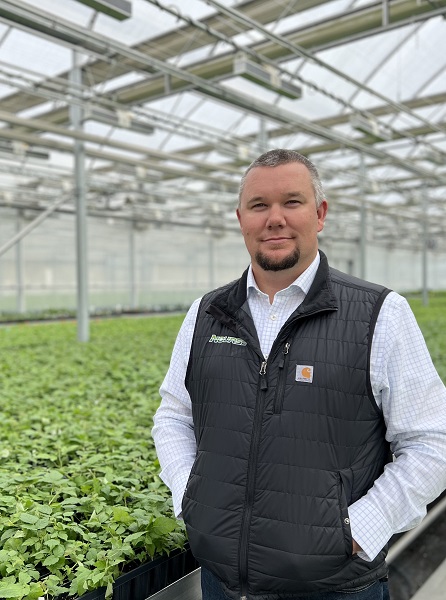
John Place, CEO, Nourse Farms

Clean Plants as a High-ROI Investment

The foundation of a clean system is clean plants. Investing in high-quality, virus-indexed plant material directly reduces the probability of catastrophic loss. When viewed through a risk-management lens, clean plants deliver ROI by:

  • Stabilizing yields
  • Improving crop uniformity
  • Reducing chemical intervention
  • Lowering labor requirements
  • Protecting long-term system performance

Selecting a Propagation Partner

Selecting the right propagation partner is one of the most important decisions CEA berry growers can make.

  1. Virus-Indexed Mother Stock

All commercial plant production begins with mother plants. In high-quality systems, these plants undergo routine virus indexing using laboratory testing to verify that they are free from known pathogens. This process ensures that propagation material remains clean generation after generation, significantly reducing disease risk downstream.

  1. In-House Tissue Culture Laboratories

Advanced propagators maintain in-house tissue culture labs, allowing them to:

  • Produce disease-free starter plants
  • Rapidly multiply elite genetics
  • Maintain strict traceability and sanitation controls

Tissue culture production provides the cleanest possible starting point for CEA growers.

  1. Multi-Stage Quality Control

Clean plant production requires rigorous quality control at every stage:

  • Lab testing
  • Greenhouse inspections
  • Field monitoring
  • Pre-shipment checks

Facilities that implement multiple inspection and testing points dramatically reduce the chance of disease slipping through.

The Nourse Farms Approach: Clean Plants from the Ground Up

At Nourse Farms, plant health is the cornerstone of everything we do. For more than 90 years, our focus has been on producing reliable, high-performing strawberry, raspberry, and blackberry plants for commercial growers.

Our approach to clean plant production checks all the boxes:

  • Virus-indexed mother plants to ensure propagation begins with clean genetics
  • An in-house tissue culture laboratory for maximum control over plant health
  • Rigorous, multi-stage quality control programs throughout propagation
  • Strict sanitation protocols in both lab and field environments
  • Continuous testing and inspection to identify and eliminate risk early

We deliver planting material that supports consistent yields, predictable performance, and long-term system stability, especially critical for indoor and greenhouse production. For CEA growers, this means:

  • Faster establishment
  • More uniform crops
  • Reduced disease pressure
  • Lower long-term operating risk

Clean Plants as a Strategic Business Decision

In CEA berry production, success depends on consistency. Investors, retailers, and consumers all expect predictable volumes, quality, and timing. Disease disrupts every one of these expectations.

By prioritizing clean plant material and rigorous sanitation protocols, growers shift from reactive problem-solving to proactive risk management. This shift not only protects yield, but it also strengthens business resilience.

As CEA berry production continues to scale, operations that invest in prevention will consistently outperform those that rely on treatment and correction.

Final Thoughts: Prevention Is the Highest ROI Input

Lighting systems, climate control technology, automation, and advanced substrates all play critical roles in modern CEA production. But none of these investments can deliver their full value if disease undermines crop performance. Clean plants are the foundation upon which successful indoor berry growing systems are built. By investing in virus-indexed, rigorously tested plant material and maintaining strict sanitation protocols, growers protect not only their crops, but their entire business model.

In an industry where margins are tight and expectations are high, disease prevention stands as one of the most powerful and reliable levers for maximizing return on investment. At Nourse Farms, we believe that clean plants create strong systems, resilient businesses, and profitable harvests. For more information about how Nourse Farms can support you in your indoor berry growing venture, contact us at 1-877-NFBERRY (1-877-632-3779) or info@noursefarms.com.

Table Talk 2

Packed Tables. Practical Solutions. Real Grower Conversations.

Packed Tables. Practical Solutions. Real Grower Conversations.

Hosted in partnership with Doctor Greenhouse,  Table Talk featured facilitated discussions led by industry operators, including Michelle Keller (Living Greens), Rodrigo Pereyra (GoodLeaf Farms), Dominick DiMucci (Haven Greens), Nick Denney (Holistic Industries), and Aaron Fields (Campo Caribe). Each session focused on practical problem-solving — not theory — reinforcing the industry’s broader shift toward disciplined execution and operational excellence.

  • Table Talk 2

  • Table Talk 3

  • Table Talk 4

  • Table Talk 5

  • Table Talk 6

  • Table Talk 7

  • Table Talk 8

  • Table talk 9

  • Table Talk 10

  • Table Talk 11

  • Table  Talk 12

Continue reading

Indoor Ag-Con 2026: The Year the Industry Got Serious

Takeaway: CEA is tightening around disciplined operations, right-sized models, and commercial reality. The operators who win next will be the ones who execute consistently and sell what they grow.

Indoor Ag-Con 2026 wrapped up last week at The Westgate Las Vegas Resort & Casino with a clear signal from the room: this industry is shifting toward fundamentals. The show drew attendees from all 50 U.S. states plus Washington, D.C., U.S. territories, and 30 countries, with 263 booths on the floor. The coverage and conversations captured the same tone: practical discussions, execution-first thinking, and a renewed seriousness about building durable businesses.

Across the conference, the same patterns surfaced repeatedly in conversations with operators, suppliers, investors, and researchers. Here are the themes that felt most consistent in Las Vegas, across tracks and crop types.


1) “CEA” is a spectrum, not a single model

One of the most useful anchors came from Kaylee South : CEA is crop production “under cover” with some level of control, and it spans everything from hoop houses to greenhouses to vertical farms. The implication is obvious but often missed: there is no universal blueprint. The “right fit” depends on mission, market, labor availability, and whether the model is economically viable at the scale you are choosing.

If your model requires perfect conditions to survive, it is fragile. The operators making the best decisions right now are choosing systems that match their market and their ability to execute, then scaling only after repeatability is proven.


2) Profitability thinking is replacing “maximum output” thinking

Across the event coverage and the sessions themselves, the shift was consistent: success is being measured by repeatable margins and operational control more than peak yield claims.

That same posture showed up inside technical sessions, too. Dominick DiMucci framed it bluntly in his leafy greens talk: define business goals before construction, make decisions with the crop and the bottom line in mind, and treat execution as the core job.

This is where the industry is maturing. The room is less interested in who can build the most complex facility, and more interested in who can run one cleanly, sell through production, and stay solvent.


3) Scaling production is hard, but scaling sales is harder

This was one of the most repeated realities on stage.

DiMucci put it in operational terms: plants keep growing, sales takes time, and you need an offload plan at launch that matches real commercial ramp speed.

Travis Higginbotham echoed the same split from a cannabis lens: you can run an efficient crop, but sales, inventory, go-to-market strategy, and cash flow management decide whether the business survives.

The broader finance conversations at the show reinforced that the next wave of winners will be built around commercial fundamentals: realistic projections, credible unit economics, and leadership teams that understand both production and selling.


4) Facility design and team design are inseparable

As costs rise and tolerance for operational chaos drops, teams are treating design decisions as business decisions.

In leafy greens, the examples were concrete: light, cooling capacity, CO2 strategy, and water quality show up as performance ceilings or performance multipliers.

Just as important was the human side: staffing the right functions from day one, involving growers in design-phase decisions, treating maintenance as a core competency, and building feedback loops that actually work.

These are not “nice to have” points anymore. They are the difference between a facility that hits steady output and one that slowly bleeds cash through preventable friction.


5) Greenhouse diversification can be a viable path when the operation and market support it

Not every winning story starts with a brand-new build.

Diversification is not a universal answer, but in the right context it can be a highly practical approach. It works best when an operation has existing assets it can repurpose, clear market pull, and the ability to phase upgrades based on constraints and learning.

Rhonda Cornett and Brent Cornett laid out a practical, operator-first approach: evaluate market, assess facilities, determine what you can grow for an existing market, then upgrade step-by-step while maximizing months of use. They also showed how diversification can be a survival strategy: plugs, tomatoes, lettuce, baskets, and expansion plans built from a base of existing infrastructure.

For a lot of growers, this is one of the most actionable plays in the room: reduce risk by leveraging what is already real, then earn the right to scale.


6) Mushrooms are getting pulled even more into the CEA conversation

A standout strategic signal was how seriously mushrooms were positioned as a protected ag opportunity.

John James Staniszewski made the case that mushrooms have different economics because they do not rely on sunlight, they can run high vertical density in a small footprint, and they support modular scaling aligned with demand. He also framed mushrooms as a premium category where freshness, consistency, and local or regional delivery can matter commercially.

The details will vary by operation and region, but the core insight stands: CEA’s crop map is expanding toward categories where controlled production matches product value and supply chain reality.


What this means if you are building in CEA right now

A few grounded conclusions from the week:

  • Pick a model you can run repeatedly. Complexity is expensive, and it compounds when labor is tight and systems fail.
  • Treat sales and forecasting as production tools. They dictate staffing, energy use, and whether you can operate without cash crunch surprises.
  • Design around your constraints. Market access, labor availability, energy cost, and leadership capability are part of your facility design, whether you admit it or not.

Indoor Ag-Con exists to put these realities on stage, in the open, with operators who have lived them. That tone was present across the program, and it is where the industry is headed.


We are already deep into planning for Indoor Ag-Con 2027, and there is a lot in motion. The community is asking for tighter formats, more operator-to-operator learning, and even more practical takeaways. We heard that clearly this year, and we are excited about what we have in store for the year ahead.