Tag: Propagation

iGrow News European Report

iGrow News Launches 2025 European Indoor Farming Report

 iGrow News, part of the AgTech Media Group, has officially launched the 2025 European Indoor Farming Report, which is now publicly available for download.

This year’s edition offers a detailed overview of the European indoor farming landscape, covering greenhouse consolidation, investment patterns, and technological adoption across vertical farming and high-tech greenhouse operations. It combines firsthand insights from technology providers, operators, and analysts across the region.

Key Themes Explored:

● Ongoing consolidation among Europe’s largest greenhouse operators
● Fewer individual players but increased acreage under production
● Stronger demand for automation in propagation, lighting, and environmental control
● Regional growth opportunities and capital market trends in CEA

Who Is This Report For?

The European Indoor Farming Report is designed for professionals, stakeholders, and decision-makers across the controlled environment agriculture (CEA) value chain. This includes:

● Investors and Venture Capitalists seeking market insights and emerging opportunities in the indoor farming sector.
● Greenhouse and Vertical Farm Operators exploring benchmarks, technology integrations, and regional trends.
● AgTech Startups and Solution Providers looking to understand market demands and identify strategic partners.
● Policy Makers and Public Sector Entities interested in data-driven perspectives on food security, innovation, and sustainability in Europe.
● Academic Institutions and Researchers examining the evolution of CEA technologies and business models.

Whether you’re evaluating market entry, scaling operations, or investing in innovation, this report provides the data, expert perspectives, and industry context to inform your next move.

The report is co-authored by Sepehr A. Achard, COO of AgTech Media Group and Publisher of iGrow News, and Thea-Isabella Otto, Head of The Indoor Farmer and Founder of Women in CEA.

“An increasing number of companies are looking to integrate technologies throughout their supply chains, rather than seeking a one-size-fits-all solution,” said Sepehr A. Achard. “This trend is reflected in the rise of greenhouses adopting vertical farms specifically for their propagation units.”

“The trend towards autonomous growing is clearly visible.” said Thea-Isabella Otto. “However, until full implementation it will still take some years.”

The European edition follows the successful launch of the U.S. Indoor Farming Report earlier this year, with a GCC-focused edition slated for release in Q3.

📥 Download the 2025 European Indoor Farming Report here: https://igrownews.com/agtech-report/indoor-farming/europe/

About iGrow News
iGrow News, part of the AgTech Media Group, is a leading digital platform reporting on global innovations in agriculture technology. Reaching over 50,000 monthly readers, it delivers up-to-date coverage on controlled environment agriculture, precision farming, biotech, and AgTech investment. iGrow News is the publisher behind the Vertical Farming Podcast, AgTech Digest, and The Indoor Farmer. More info:
📧 hello@agtechmediagroup.com 🌐 https://igrownews.com

Best Management Practices for Propagation and Kelp Amendment Benefits

For some growers plant propagation is a spring season chore, while for others it is a more of a constant cycle as they grow sprouts, leafy greens, and nursery crops. Each crop rotation offers an opportunity for an exceptional production cycle, whether a quick baby greens flush or orchard stock, and that process rests on having excellent, well-executed SOPs. Here are some best management practices for keeping plant propagation running smoothly and productively.

Cleanliness is the Best Defense

Ensure that grow facilities are kept clean from outside contamination (dirt on shoes, spores on clothes, etc.) and designate a clean/prep space before entering production rooms. In the production space, keep all surfaces, tools, and equipment clean and regularly disinfected. Results from Oregon State University in 2024 showed that 10% bleach dilution, 20% bleach dilution, and 1000 ppm hypochlorous acid dilution all can inactivate hop latent viroid disease (HLVd), which notoriously spreads most rapidly between plants when growing plants from cuttings.

How to Prepare a Well-Balanced Rooting Medium

CannaSelect a loose rooting material or compressed substrate like CANNA Rootplugs that provide sufficient pore size distribution for an ideal water to air ratio. Prepare the rooting medium, where the cuttings will be inserted, by soaking it in a dilution of a base fertilizer specifically designed for the balanced nutrient needed in early plant stages, generally an EC of 1-2.0 (mS/cm) and adjust the pH to 5.2-6.2 (for most plants). Avoid over-fertilizing, as this can damage plants and the substrate. Our researchers in Holland developed a blend for this stage, an all-in-one concentrate that can hold even calcium and phosphorus together (highly prone to bonding/falling out of solution), called CANNA Start.

Ascophyllum nodosum – The Known and Unknown Benefits of Kelp

Kelp extract has also been used during seedling and plant propagation, as well. Ascophyllum nodosum, kelp algae, has a long history of use in agriculture, with coastal communities using it as a fertilizer and soil improver for centuries. The benefits of A. nodosum have been supported by the literature, showing increased tomato yield and size (Ali et al., 2015). When it was sprayed as a foliar on vine grapes, it increased photosynthesis and stomatal conductance, alleviated water stress during hot periods, and was associated with a higher anthocyanin and flavonol content in berry skins (Salvi et al., 2019). Most importantly for seedling development and plant propagation, kelp algae has been well-known to support plant growth and stress relief during transplant, which was part of CANNA’s drive when developing our best kelp fertilizer: RHIZOTONIC.

Managing Plant Seedlings and Propagation Leaf Cuttings

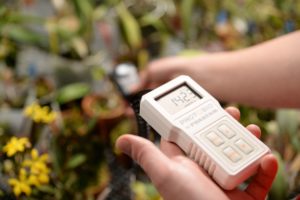
CannaIf propagating supple, vegetative material like impatiens, poinsettias, or cannabis, take special care to maintain high humidity conditions, avoid wilt by covering finished plant cuttings, and work in small batches. Aim for a high humidity at 80-90%; misting and/or placing domes over the cuttings will help achieve high humidity. Gradually reduce the humidity to 60-70% as the plant grows more vegetative. When starting both cuttings and seedlings, maintain a relatively warm temperature between 75-80F and apply bottom heat through heat mats if possible. Low level, diffuse lighting is best, staying between 100-300 µmol/m2/s for light intensity.

To Your Next Successful Crop Rotation

Due diligence is required to ensure a high success rate of healthy plants, however, take solace in knowing that plants have evolved to persist with their genetic survival. Take notes, do your part, and encourage the natural strengths within the plant.

Abha GuptaAbha Gupta, Horticulturist, CANNA
Abha Gupta blends her plant-science expertise with a passion for education and research to help cultivators and retailers dial in on the best CANNA products for their needs. Abha thrives on the diversity of her role while tackling everything from technical support to product development, and her knack for clear communication is critical when advising CANNA customers and the sales team. She also manages product quality monitoring and drafts technical content.

Abha is an outdoor enthusiast and lifelong learner who spearheaded academic hemp research, managed commercial farms, and served as a university horticulture instructor, in addition to being a certified yoga instructor. With a passion for music and seasonal fun, she loves to ski, hike, and relax at swimming holes where she lives in Vermont. Abha earned her bachelor’s degree from Cornell in environmental technology and her master’s in horticulture from Oregon State University.

References:

Ali, N., Farrell, A., Ramsubhag, A. et al. The effect of Ascophyllum nodosum extract on the growth, yield and fruit quality of tomato grown under tropical conditions. J Appl Phycol 28, 1353–1362 (2016).

Salvi, Linda, et al. Effects of Ascophyllum nodosum extract on Vitis vinifera: Consequences on plant physiology, grape quality and secondary metabolism. Plant Physiology and Biochemistry 139 (2019): 21-32.

Ocamb, C. 2024. Hop latent viroid in hemp. Oregon State University Extension Service.

Klasmann-Deilmann: The Magic of Innovation
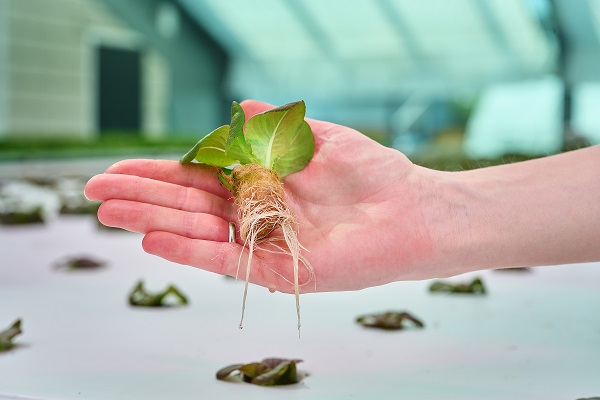
Klasmann-Deilmann will showcase its latest introductions in booth 812 during the March 11-12, 2024 edition of Indoor Ag-Con. The focus will be on the presentation of a genuine innovation for modern horticulture: Nygaia. Nygaia is a substrate based on biopolymer technology that is biodegradable and is particularly suitable for use in hydroponic systems.

Under the theme “The magic of innovation,” the completely newly developed product will be presented to a wide audience. In addition to theoretical information – which will be communicated at the trade fair booth – the product will also be brought to life for trade fair visitors on site.

Be it with test kits, which will be distributed to interested guests at the booth. Or with the appearance of Rob Anderson. The magician has been seen on Good Morning America, Today, and Comedy Central performing his impressive feats of sleight-of-hand and mind-reading. Rob will be making an appearance during Ag-Con exclusively at the Klasmann-Deilmann booth and during the welcome cocktail reception on the expo floor.

And when even the President of MTV Networks says about Rob ” … I know how rare it is to come upon a talent like him.”, this live event is definitely not to be missed. The special performance is scheduled for March 11 , 2024 from 5:15 to 5:45 pm in the Expo Theater on the show floor during the opening day cocktail reception.

About Nygaia 

Nygaia is the substrate solution of the future that will soon be able to completely replace conventional substrates, e.g. in the cultivation of leafy vegetables in hydroponics and vertical cultivation systems. The innovative substrate fibre consists of 60% natural, bio-based raw materials and is completely biodegradable.
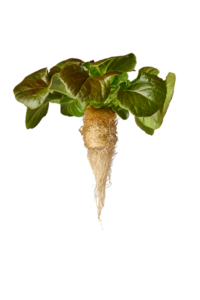
 

This means it produces neither waste nor microplastics. The Nygaia substrate fibre for hydroponics is inert, salt-free and provides a perfect water retention capacity. It also offers very good air capacity, which optimally supports healthy root growth of plants. Nygaia is a product development of the close collaboration of Klasmann-Deilmann and Maan Biobased Products.

Innovation in plant propagation: The GROWCOON

In addition to Nygaia, Klasmann-Deilmann will also showcase Growcoon, a fully biodegradable propagation plug based on polymer technology with a stable but flexible open net structure. It forms a stable root ball when used in combination with a high-quality seedling substrate. Therefore, Growcoon is the optimal system for all types of propagation methods such as sowing, rooting of cuttings, grafting but proves to be particularly effective in vertical farming and hydroponic systems.
The Growcoon is available in many different standard sizes and suitable for all common tray sizes and can be used in all established propagation systems and with different trays and any loose fill substrate. Moreover, Growcoon is a solution for pot-free cultivation, which can significantly reduce the use of plastic. For this, Growcoon is also available in larger dimensions and suitable for growing bedding plants, perennials, or pot herbs in small pots. Growcoon is a product developed within the close collaboration of Klasmann-Deilmann and Maan Biobased Products.

About Klasmann-Deilmann

Klasmann-Deilmann is the leading corporate group in the international substrate industry, with numerous sales and production companies in Europe, Asia and America, and a network of sales and production partners on every continent. Our growing media provide worldwide a vital basis for the growth of soft fruit, vegetables, edible mushrooms, herbs, ornamental plants, trees and shrubs. They help ensure the success of our partners and customers in the commercial horticulture sector and are an integral part of the food sector value chain.

The strategic focus of our company, a medium-sized family business, is extremely forward-looking. Keen to remain the most successful and sustainable producer of growing media, we are single-mindedly building on the lead we have in the development and use of renewable resources, ground-breaking substrate blends and innovative solutions for commercial horticulture. Our ADVANCED substrates as well as Growcoon, Nygaia and the Growbag ADVANCED are the latest examples of our sustainable, innovative growing solutions.

Learn more about Klassmann-Deilmann.


Nourse Farms CEO John Place

From Strawberry Roots To Berry Innovation: Nourse Farms CEO Shares Insights On Expansion, New Opportunities

From its beginnings as a local strawberry nursery in 1932, Nourse Farms has evolved into an internationally recognized soft fruit nursery. Indoor Ag-Con is pleased to have Nourse Farms as an exhibitor for our March 11-12, 2024 edition in Las Vegas. We had the opportunity to catch up with CEO John Place to learn more about the company’s rich history, exciting expansion plans, state-of-the-art tissue culture labs and greenhouses in this month’s CEA Q&A. Read on to learn how this industry leader is not only adapting to changing market dynamics but also shaping them, as Nourse Farms positions itself to meet the evolving needs of berry growers worldwide, especially in the controlled environment agriculture sector.

Nourse Farms has a rich history dating back over 90 years.  Can you share some key milestones in the company’s journey and how these have shaped its commitment to innovation and quality?

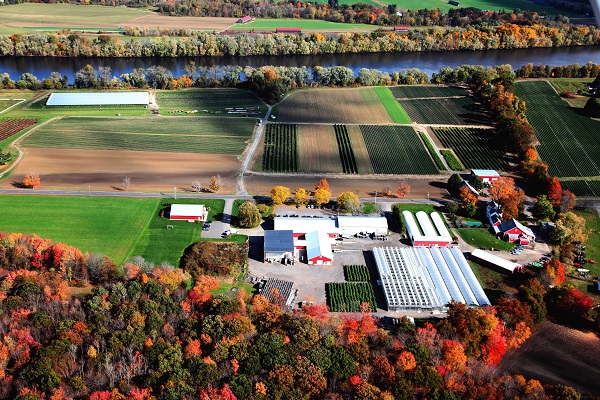
Aerial Photo Nourse Farms Whately, MA location
Aerial photo of Nourse Farms Whatley, Massaschusetts location

With Nourse Farms being around for almost a century, we’re fortunate to have a number of milestones that emphasize our commitment to innovation and delivering quality. Some highlights include:

  • 1932: The farm was established as a strawberry plant nursery
  • 1978: Raspberry plants added to the product mix
  • 1980: The first tissue culture lab built
  • 1982: Customized cooling facility built, allowing for storage of dormant, bare root plants
  • 2003: Blackberry plants added to the product mix
  • 2019: The first commercial planting of tray plants (strawberries) and long canes (brambles)
  • 2020-2022: The continued expansion of tray plants and long canes
  • Present: A major expansion of our lab, greenhouses, and growing facilities that is intended to not only increase our footprint, but also amplify our commitment to innovation, as we will be using cutting-edge technologies to help us grow the cleanest, highest quality plants possible.

The recent announcement about your expansion plans and partnership with an investment firm are exciting and significant developments for Nourse Farms. Could you elaborate on the strategic goals behind the expansion and how it positions the company to meet the evolving needs of berry growers worldwide, especially in the CEA sector?

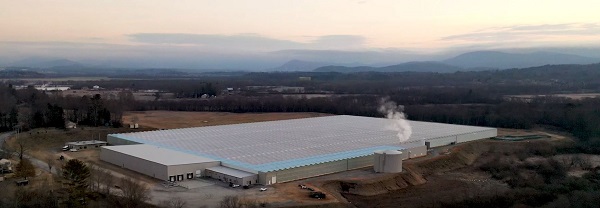
Nourse Farms Mills River, North Carolina location

Nourse Farms has focused on delivering the highest quality plants and exceptional customer service to the berry industry for decades. We are sitting at a pivotal point in North American berry farming where consumer demand is growing alongside new production techniques that are game-changers to the industry. Our goal is to secure our position as the market leader in berry plant propagation in North America. With that in mind, we are making a significant investment in our growing facilities in multiple locations to grow the highest quality plants for our customers.

We will now be growing in three distinct climates (Massachusetts, Washington, and North Carolina) so that the variety selection and plant type we have for our customers is grown in the best climate for its purpose. The new tissue culture lab, greenhouses, tray fields, trellis fields, and cold storage are all a part of our process and are included in the upgrades we are making. We believe these strategic investments will position us to scale quickly and efficiently to meet the changing needs of the market.

With the upcoming modern tissue culture lab and greenhouses in Massachusetts and North Carolina, how do you envision these facilities enhancing Nourse Farms’ ability to innovate and provide top-quality plants to your customers? Are there specific technologies or practices you’re excited to incorporate?

Tissue culture and micropropagation have been a cornerstone of Nourse Farms since we built our first lab in 1980. We use these techniques to grow our clean foundation mother plants, from which we propagate. With our ability to do in-house virus indexing and eliminate thru heat treatment, we can ensure our mother plants are of the highest quality. This new lab is actually our fourth lab to be built and will give us not only significant production capacity beyond our current lab but will also incorporate automation throughout the facility to aid in producing consistent, efficient, predictable results.

You’ve mentioned that you believe the future of berry production will increasingly demand substrate-grown plants. Can you provide some insights into the advantages and innovations in your substrate production process that make this approach so promising?

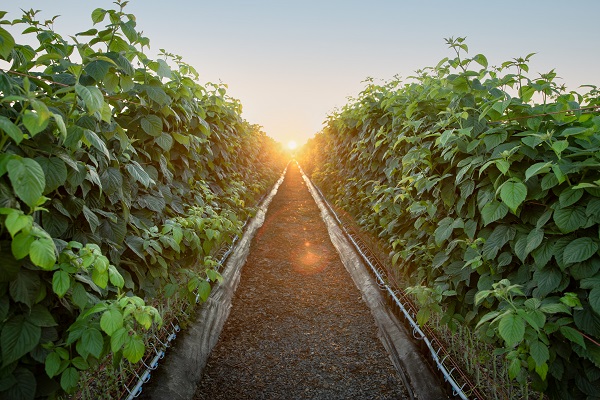
Nourse Farms long canes

Over the last several years, we have been growing tray plants (strawberries) and long canes (brambles). We have learned a lot regarding growing systems, proper fertigation, timing of planting, and other important details to produce a plant that is fit for purpose for our customers. With this experience, we are now positioned to strategically scale this part of our operation to meet the growing demands of the industry and ensure that our customers will receive the high-quality plants they expect from us.

Now that we are growing in multiple climates, various plant types and varieties can grow in the optimal conditions that they require.

Variety development also plays a key role in the innovations that we are preparing for the market. We have been working with berry breeders around the world for decades in an effort to identify, import, trial, and then scale the best genetics for our customers.

As Nourse Farms continues to expand and innovate, what do you see as the most significant trends or opportunities in the controlled environment agriculture industry, and how is the company positioned to take advantage of these trends?

Berry consumers are demanding not only more berries but also higher quality berries. The strategic steps Nourse Farms is taking are a direct result of our response to the fact that berry production is moving from traditional outdoor growing areas towards indoor facilities near population centers. High-tech glasshouses and indoor vertical growing facilities require a plant type grown specifically for these high-capacity facilities to generate the return on investment that is required.

This is where the opportunity is for upstream suppliers like us. Our plants are grown specifically to meet this demand and give our customers the returns they need for their investments. The more growing we do—both of our plants and of our business—the more success for our customers.

For more information on Nourse Farms, visit the company website.
And, be sure to visit them in booth 317 at Indoor Ag-Con from March 11-12, 2024 at Caesars Forum in Las Vegas!

Innovative Growers Equipment

Modern Horticulture Technology Boosts Sustainably Grown Heritage Greens 

HydroFarmAs more consumers take an interest in the origin and sustainability of their food, they seek out agricultural companies dedicated to responsible and socially sustainable farming. 
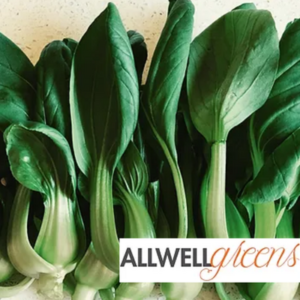
Allwell GreensAllWell Greens is that company. Founded in New York by second-generation Taiwanese Americans, AllWell Greens specializes in growing heritage bok choy, Chinese broccoli, and other traditional Asian greens. The founders of AllWell Greens, spurred by their frustration with issues they experienced using traditional farming methods, spent two years researching, developing and testing farming methods in a 200 square foot indoor facility in downtown Manhattan.
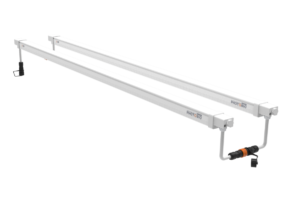
It is in this urban setting that the AllWell Greens founders discovered that one of the main components of their sustainable farming success is the PHOTOBIO LED horticultural lighting system from Innovative Growers Equipment (IGE) Hydrofarm Commercial Division. PHOTOBIO is part of the IGE-Hydrofarm Commercial Division family of products, a company that specializes in commercial growing equipment such as grow lights, vertical grow racks, benches, air flow systems, and other products to support commercial grows from seed to harvest.

HydroFarmIGE-Hydrofarm Commercial Division offers a modular, high-efficiency LED lighting system designed for propagation and vegetative stages, especially for vertical grows. After four separate lighting trials, the AllWell Greens’ founders were thrilled with the results of the PHOTOBIO horticulture lights. Their greens were crisp, flavorful, and disease-free, and they were able to harvest two days faster than in any previous trial! 
Impressed and confident with their results using PHOTOBIO LED lights, AllGreens’ founders took the next step of investing in a 5,000 square foot growing facility in the heart of Queens, NY. This space will allow AllWell Greens to scale up their agricultural operations and bring their heritage greens to market.

This new AllWell Greens facility is equipped with over 1500 PHOTOBIO lights on vertical grow racks. The PHOTOBIO lighting system exposes the crops to the perfect amount of light needed to optimize photosynthesis, resulting in higher-quality greens.

The PHOTOBIO lights are a game-changer for AllWell Greens. “We always knew that light was an important factor in growing greens, but I don’t think we anticipated the impact it would have on grow time and ultimately profitability,” explains John Cari, one of the company’s founders. “The PHOTOBIO lighting is so precise that we reduced our grow time by two days, improved our yields and significantly reduced our energy costs.”

Chris Mayer for IGE – Hydrofarm Commercial Division expressed “We are proud to partner with AllWell Greens on this project. Their dedication to sustainability and responsibility is inspiring, and we are honored to be a part of their journey. We look forward to continuing our partnership and supporting them in their efforts to revolutionize the Asian produce industry.”

Visit the Hydrofarm booth at the upcoming February 27-28, 2023 edition of Indoor Ag-Con in booth 707 and more about IGE-Hydrofarm Commercial Division here.

Quick Plug

Quick Plug: How BioStrate® Can Help With Your Growing Needs?

BioStrate® from Quick Plug: Biobased Propagation Felt continues to be a Premier food safe growing textile for Commercial Microgreen Growers and Hobbyist alike. Manufactured with 100% Biobased fibers, the BioStrate® Felt provides the optimal environment for dense healthy root development with efficient air and water management.

And after the microgreens are harvested, the BioStrate® 185gsm is certified industrial compostable allowing for sustainable environmental stewardship. With more than 10 million square feet delivered, the BioStrate® Felt is aconsistent media providing ongoing reliable benefits that growers trust.

The patented Hamama® Grow Kit and Seed Quilts® are innovations that incorporate the BioStrate® Felt and makes microgreen and micro herb production success super easy. The Hamama® Grow Kit with pre packaged,fully contained Seed Quilts® allows for the microgreens to be grown clean and safe without using unwanted soils,pesticides or fertilizers. Even for those without a “green thumb,”the grower simply has to add water to the tray and Seed Quilts® andthe seed germination begins! With 10 exciting microgreen varieties ,it is a fun way to eat healthy and fresh superfoods.


The BioStrate®: Biobased Propagation Felt was developed and is manufactured by Quick Plug in North America. At Quick Plug, we pride ourselves on finding solutions through close collaboration with the grower.
We design and manufacture stabilized growing media and specialized substrates for most any crop and culture practices.

Quick Plug growing media products are designed to reduce labor, boost root development and increase germination rates.

To learn more about the BioStrate,® microgreens and the Hamama® Grow Kit and Seed Quilts® please visit these websites: Hamama.com or Quickplug.global.