Gotham Greens CEO Talks Sustainable Growth, Innovative Technologies and Exciting Milestones
In this month’s CEA Q&A, we speak with Gotham Greens‘ CEO Viraj Puri, who is joining our Indoor Ag-Con 2024 “Leader Insights” keynote panel in March! A true CEA leader, Gotham Greens has made a remarkable journey from a single rooftop greenhouse in Brooklyn to becoming one of the largest hydroponic leafy green producers in North America. From tackling the challenges of the South’s hot and humid climate with cutting-edge greenhouse technologies to introducing fresh salad kits and championing sustainability, Puri shares valuable insights into the company’s growth, initiatives, milestones and commitment to reshaping the future of agriculture.
Gotham Greens has rapidly expanded across the U.S since its launch in 2011 – now operating in various states and climates. Can you share some insights into the innovative technologies and strategies employed by your latest greenhouse in the southeast, particularly addressing the challenges posed by the region’s hot and humid climate?
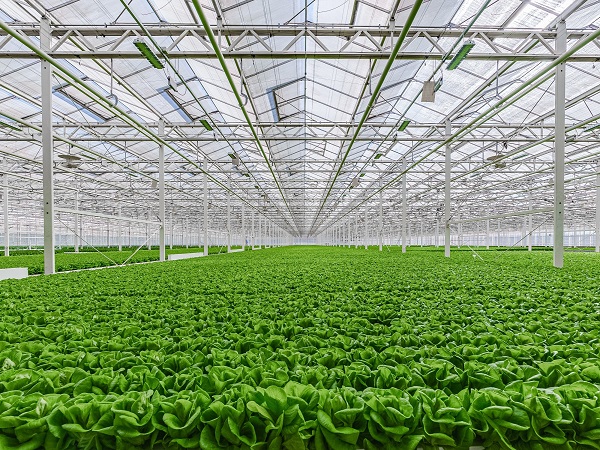
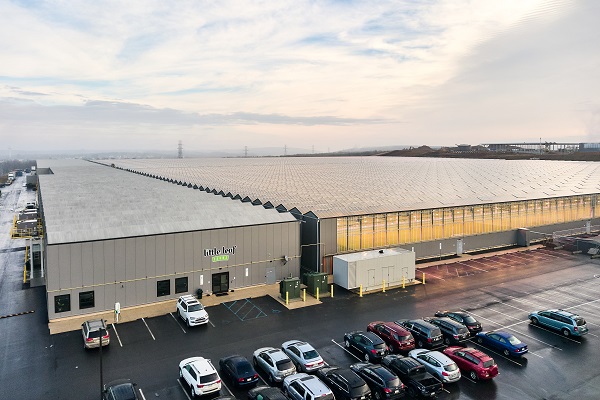
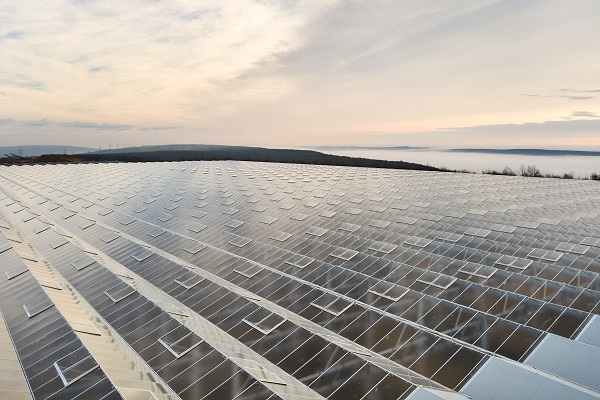
As we continue to grow our brand, we’re excited to expand in the South and Southeast with new greenhouses in Texas and Georgia. At Gotham Greens, we’re committed to growing more with less, especially as changing climates are creating less favorable growing conditions in these states and across the country. These new greenhouses use our most advanced technology to date, including enhanced automation, cooling and dehumidification systems specifically tailored to the regions, and data science capabilities in a fully closed system to help consistently and reliably grow food closer to where people live no matter the weather outside. We’re proud to bring fresh, sustainably grown leafy greens and herbs that meet the high-quality standard consumers everywhere have come to associate with and expect from the Gotham Greens brand.
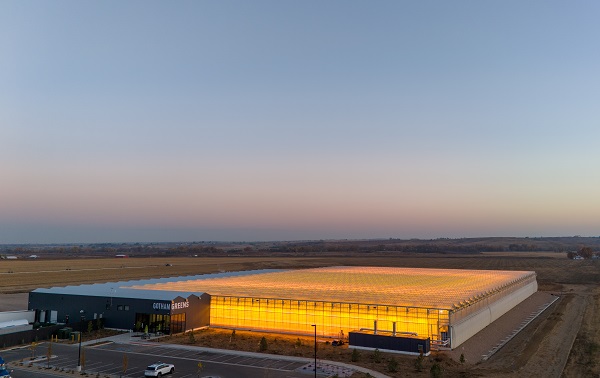
The new, state-of-the-art greenhouse facilities in the Dallas Metro area (Seagoville, Texas) and in Monroe, Ga., located between Atlanta and Athens, are examples of what comes next as we face ongoing extreme weather events and increased risk of drought in the U.S. Gotham Greens’ indoor farms create the ideal conditions for plants to thrive and provide consumers throughout the southern U.S. with sustainable fresh produce all year-round.
 Gotham Greens recently introduced a new line of salad kits, combining your high-quality greens and dressings. Can you speak to the inspiration behind these salad kits and the response from consumers?
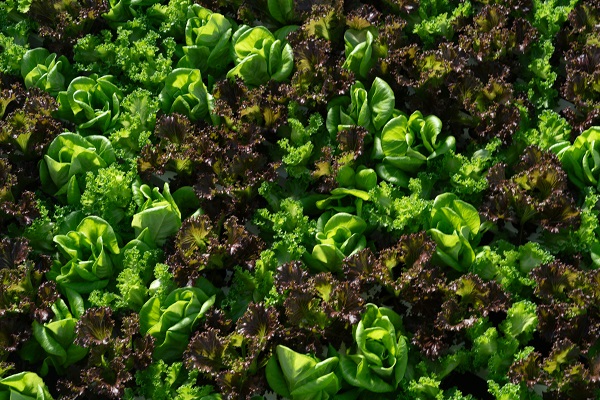
Gotham Greens is well known for our high quality, longer lasting, pesticide-free salad greens and our line of fresh, flavorful salad dressings, and this portfolio addition combines these ingredients for a quick and easy meal solution made with premium-quality salad greens and delicious flavors that consumers crave. The new salad kits are available in three popular flavor varieties (Green Goddess, Southwest Ranch and Caesar) and are packed with fresh ingredients, including Gotham Greens greenhouse-grown lettuce and fresh flavor-filled toppings and dressings, for convenient home-cooked meals or lunches on the go.
We want people to enjoy fresh greens throughout the day, and we remain committed to bringing consumers the best-tasting, most flavorful fresh foods in the category. What sets us apart from the competition is quality and flavor, from the greens that we grow to the ingredients that we use in all our products, and we hope that consumers can sense that commitment to taste, quality and sustainability in every bite. We’ve received a lot of positive feedback about the kits so far and are excited to bring them to more markets this winter.
Gotham Greens has championed sustainability, using significantly less water and land compared to traditional farming methods. How do you envision the future of sustainable agriculture, especially within the CEA industry? Are there upcoming initiatives or partnerships that will further strengthen Gotham Greens’ commitment to sustainability?
As a Certified B Corporation™, Gotham Greens champions quality, efficiency, dedication and freshness in all forms, both inside its greenhouses and throughout the communities where it operates. In addition to creating year-round, full-time jobs with competitive wages and benefits, we are driving the industry toward a more sustainable food system through industry-leading social and environmental practices. Our hydroponic growing methods help us use up to 90% less water than conventional growing methods, which means that at our current footprint, Gotham Greens saves 300 million gallons of water every year compared to field-grown farming, or the equivalent to around 450 Olympic-sized swimming pools. Whole Foods Market’s ninth annual trend report recently recognized our greens for promoting water conservation, a growing interest point for consumers. Gotham Greens’ national network of greenhouses provides a consistent and reliable supply of fresh greens for customers while eliminating the need for long-distance transportation, allowing its produce to stay fresher longer, thus increasing shelf life and decreasing food waste. As we continue to expand across the country, we look forward to deepening our relationships with key educational partners, such as University of California-Davis, as we help shape the agricultural climate of the future.
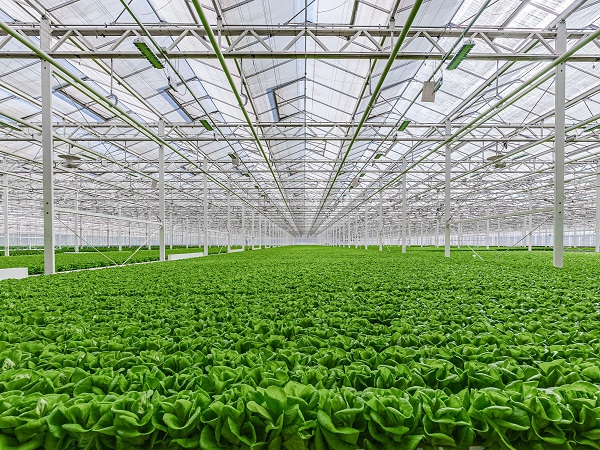 From a single rooftop greenhouse in Brooklyn to one of the largest hydroponic leafy green producers in North America, Gotham Greens has undergone remarkable growth. Are there specific milestones or initiatives you’re particularly excited about in the next phase of Gotham Greens development?
We recently celebrated our twelfth birthday in addition to the tenth anniversary of our second greenhouse located in Brooklyn’s Gowanus neighborhood on the roof of Whole Foods Market. The country’s first rooftop commercial-scale greenhouse integrated into a supermarket has now blossomed into a global movement of urban and innovative farming projects. This anniversary feels extra special, as this pioneering project has served as an inspiration to urban farming projects around the world. We’re especially grateful to Whole Foods Market for over a decade of supporting our mission to bring fresh, local and sustainably grown produce to its stores. We have additional plans for expansion and look forward to sharing more about that later this year!
Learn more about Gotham Greens by visiting their website.
And, make plans now to attend the March 11-12, 2024 edition of Indoor Ag-Con as Viraj joins other CEA executives on our keynote stage for our midday keynote session on day one: “Leader Insights: Charting the Future Landscape of Controlled Environment Agriculture”. Learn more about our full conference schedule and join us!
All photos courtesy of Gotham Greens.


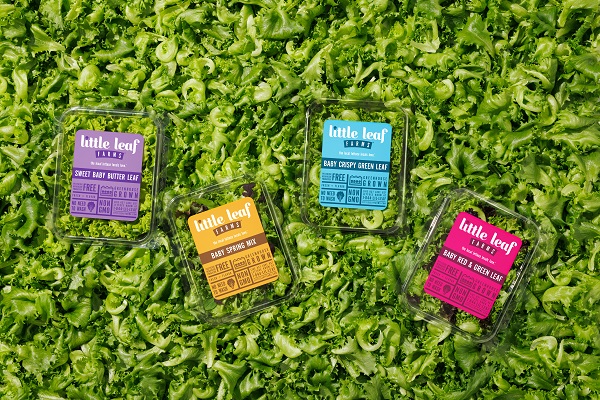
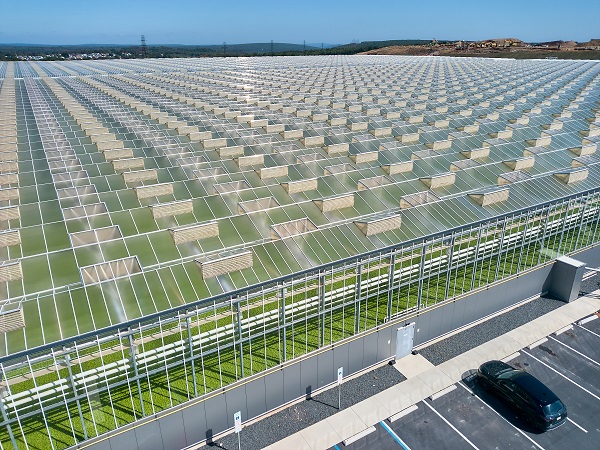 Every step of our growing process was designed to limit our impact on the planet. For example, we utilize captured rainwater in our soil-less farming, which results in 90% less water usage than field-grown greens. Plus our greenhouse locations are in regions with high natural precipitation and not dependent on groundwater as the west coast growers do. . Our Devens, MA greenhouse gets 45 inches of rain per year alone and we use all of it, whereas Salinas, California sees only 10 inches of rain per year.
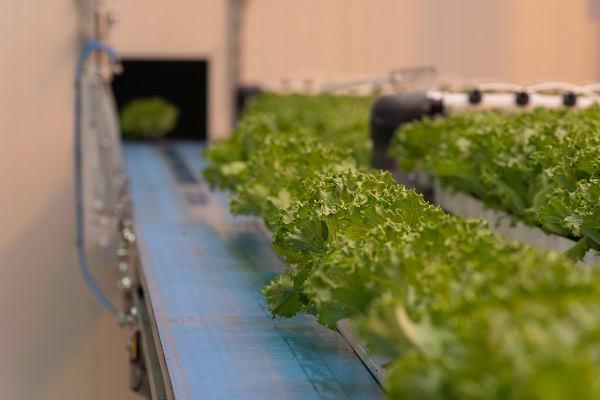 We have always approached growing lettuce as a farming company, rather than a tech company. While we are technologists and our technology is cutting-edge, our priority is growing sustainable, local lettuce that most importantly, tastes great. Our lettuce arrives on grocery store shelves within 24 hours of harvesting, spending less time traveling than most other lettuces. This, in addition to our highly automated system and sustainable growing practices, results in fresh, flavorful leafy greens that remain crispy a remarkably long time after purchase. At the end of the day, we’re growing food. People want to buy and eat what tastes good, and our amazing taste is what’s going to continue to be the differentiator for us. We’ve also grown our business in a way that gives us the ability to scale profitably and better service our retailers, which is going to continue to put us in a position to challenge and compete with field-grown brands as we enter new markets. We’ve surpassed field-grown greens in New England and I’m confident we can replicate that success in other markets across the country as we grow.
 Our business is about farming, and we consider farming a people-based business that puts the crop first. This mindset enables us to recruit the best team of growers, R&D staff, operations staff, and more to carry out our mission of growing fresh leafy greens for all. The farmer-first mindset also reinforces our commitment to growing a product that tastes great and that people actually want to eat, which ties directly to our mission of bringing fresh, leafy greens for all.
 We’ve also expanded our product line to now offer salad kits made with our signature Baby Crispy Green Leaf lettuce, which had an initial launch in the Northeast this fall but will be expanding to our full distribution footprint in January 2024.

 Our first farm in Wyoming started with a simple mandate: responsibly grow as much food as possible within our community (which has a four-month growing season and imports 90% of the food we eat) and to create job opportunities for people who live in our community, especially ones who suffer overwhelming unemployment rates, like people with disabilities. Our goal was to pursue both missions simultaneously, year-round via indoor growing, and work within the parameters of a city very scarce on available land and with a seasonable economy/labor pool.
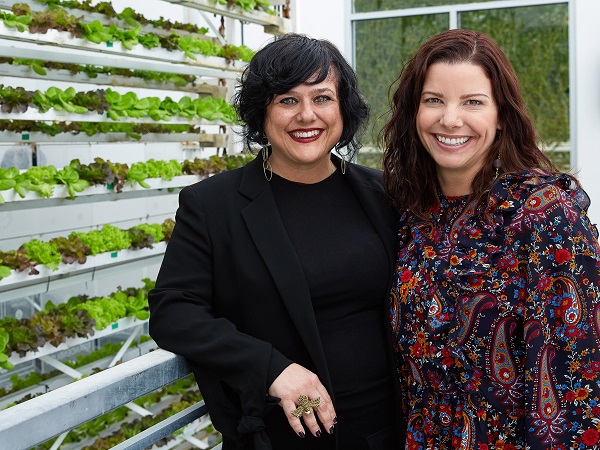
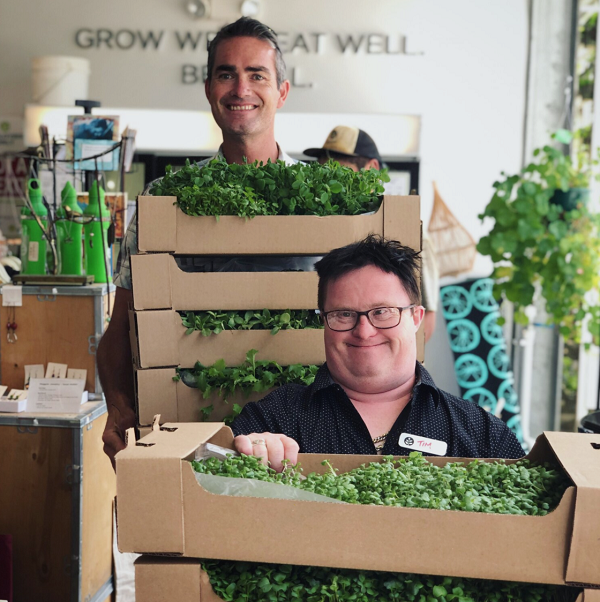 In our 7 years of operation we’ve helped employees open bank accounts, sign their first lease, reverse evictions, get their driver’s license, earn back their guardianships and acted as health advocates as employees work to coordinate care across multiple doctors and health systems. These are real outcomes of our Grow Well customized employment program that we’re intensely proud of….
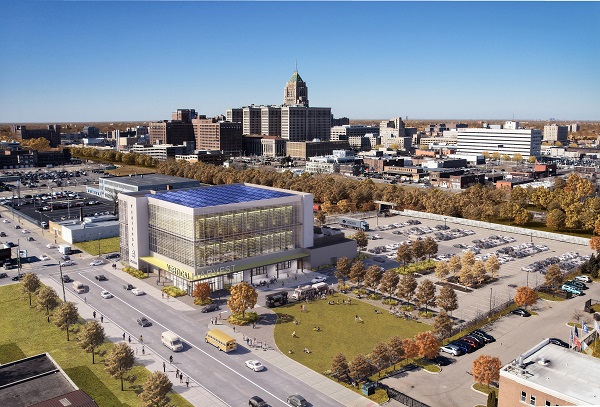
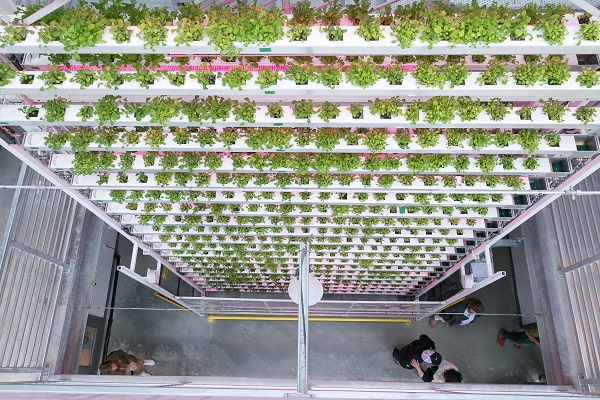 We have a roadmap for expansion – in addition to Maine opening and Detroit breaking ground next year, we hope to be announcing another 1 – 2 farms as well. Every farm will share some core features (like the Grow Well model and a commitment to prioritizing local), but also with a level of customization so each farm can adapt to the specific needs of the community they’re rooted in.

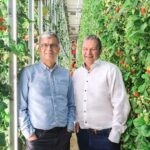
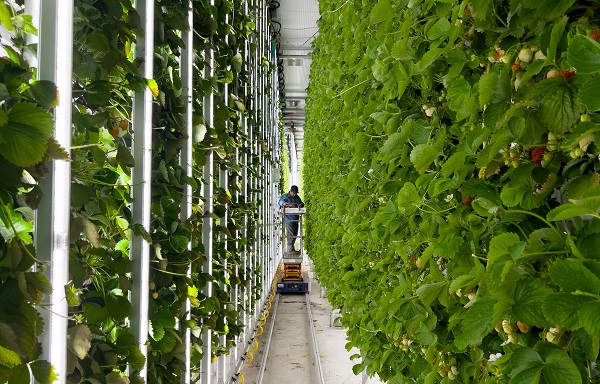 One of Winter Farm’s goals is to help growers replace 10% of Canada’s strawberry imports. Can you speak to some of the environmental and economic benefits that could come from achieving this goal, and how Winter Farm is working to make it a reality?
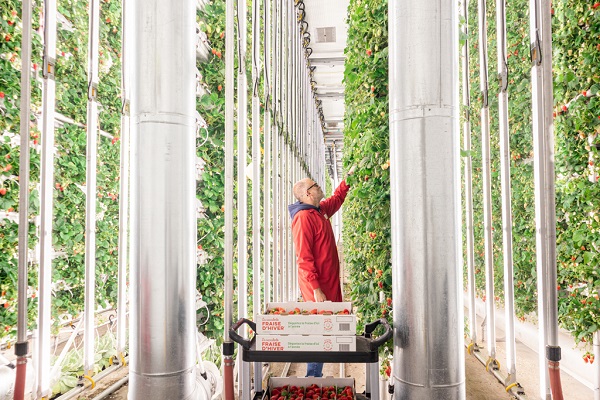
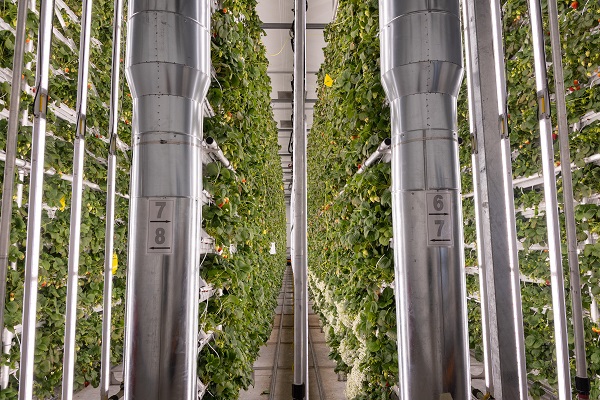 What do you see as the biggest opportunities for the CEA industry as a whole in years to come, and how is Winter Farm working to seize them?

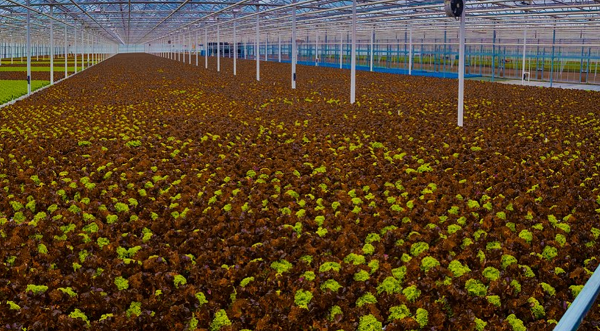 The decision was driven by both the site and infrastructure. My business partner David Drescher and I both live in the Charlottesville area, and Louisa County is the next county over. In central Virginia it’s hard to find the flat terrain needed for a greenhouse facility. This site had that and the right infrastructure in place in terms of electrical capabilities, natural gas, and proximity to large freeways and distribution logistics.
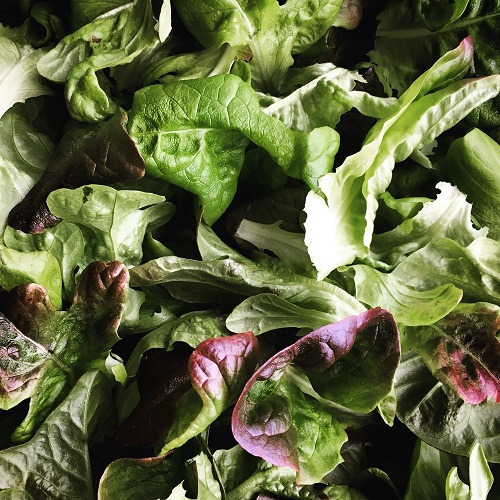 Taylor Farms is one of the largest salad and fresh cut vegetable processors in the world and all our lettuce will be marketed under Taylor Farms’ Earthbound Farms brand. David and I have both been at this for a long time and we know what it takes to build a brand. So, we wanted to team up with an existing brand rather than build a new one from scratch. We talked to several companies and when we met with Taylor Farms, our objectives, philosophies, and values all aligned.
 Generate Capital is a leading ESG public benefit corporation focused heavily on building and financing solutions for clean energy, water, waste, agriculture and more. They’d been looking at the CEA sector for some time. While we are their first investment here, I expect they will be very active in this space, and not just with us.
 I wouldn’t be doing this new project without the knowledge and experience I gained from launching and building Schuyler Greens. I’ve owned Schuyler Greens for more than 9 years now and it encompasses 225 acres outside of Charlottesville with a greenhouse in the middle. I will be keeping Schuyler Greens separate from Better Future Farms.

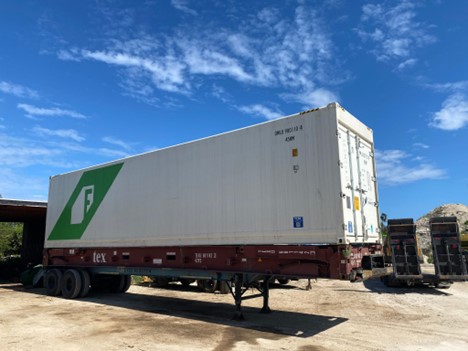
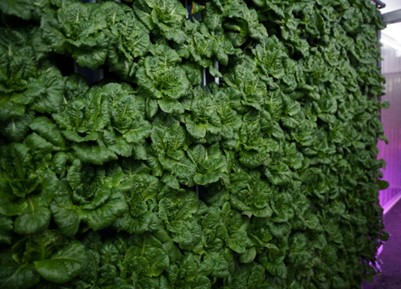
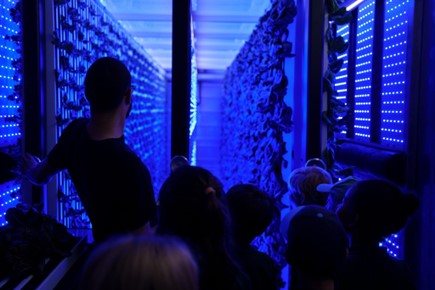
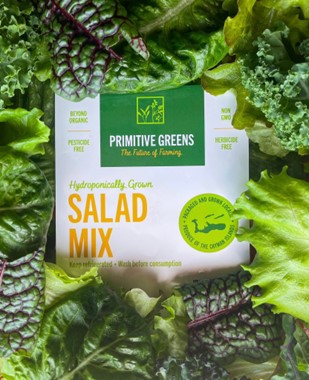 Freight Farms has seen incredible growth in the adoption of their technology in the Caribbean islands, many of which face challenges similar to the Cayman Islands’. From Turks and Caicos to the Bahamas, islanders are discovering the power of controlled environment agriculture to revolutionize food quality and access for themselves and their communities.

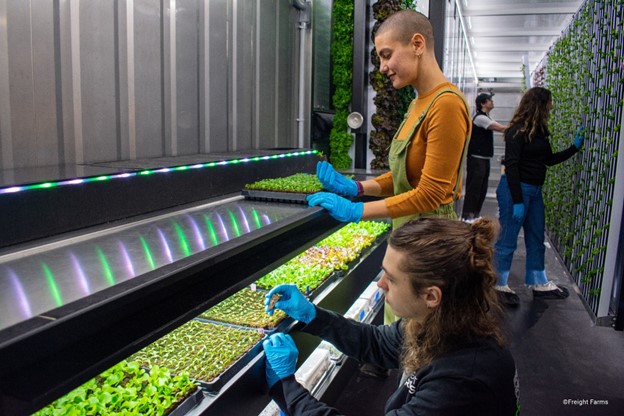
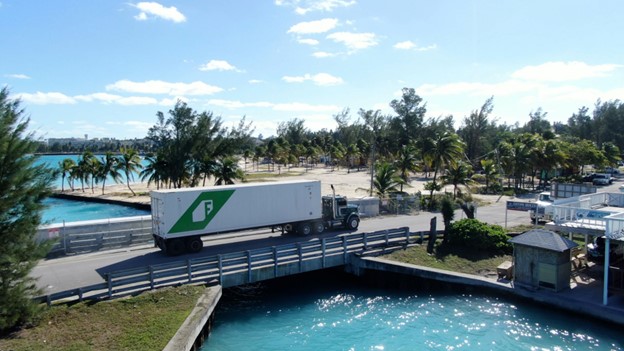
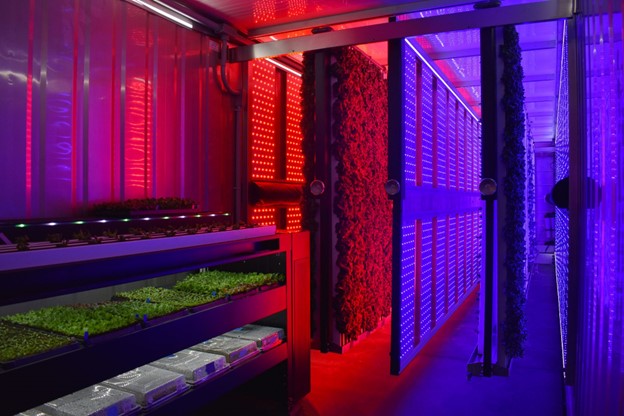
 Founded in 2012, Freight Farms debuted the first vertical hydroponic farm built inside an intermodal shipping container with the mission of democratizing and decentralizing the local production of fresh, healthy food. Since its inception, Freight Farms has refined its product offering to arrive at the Greenery™ S container farm. With global customers ranging from small business farmers to the corporate, hospitality, retail, education, and nonprofit sectors, Freight Farmers make up the largest network of connected farms in the world. AgTech Breakthrough named Freight Farms the 2022 “IoT Monitoring Solution of the Year” for its farmhand® IoT automation software.

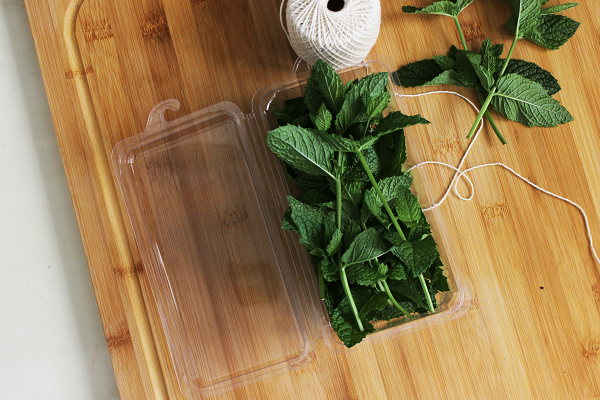 “We made it a mandate when we started ColdAcre that we wouldn’t contribute to the single-use plastics problem that’s top of mind for many Canadians. We’ve been very pleased to be able to work with our like-minded partner good natured® as we prepare to triple our production in the coming months and offer our products in plant-based, compostable packaging,” said Tarek Bos-Jabber, CEO of ColdAcre.